Why Donate Plasma?
Donating plasma is more than a simple act of generosity; it directly impacts Canadian patients with immune disorders and other conditions, turning each donation into treatments that often extend and enhance lives.
This is especially meaningful for those donating plasma for the first time, as it marks the beginning of a powerful journey. New plasma donors discover the true benefit of donating plasma – knowing your contribution can positively impact lives.
To learn more about the life-changing impact of plasma donation, visit our Why Plasma is important page.
Location
Live within 100 km of a Grifols donation centre
Proximity allows timely plasma donation appointments and follow-ups. If you move outside this radius, you may need to transfer to a closer centre to continue donating.

Health Screening & Physical Exam
- Complete a health questionnaire about your medical history.
Your questionnaire helps us identify any conditions or medications that could affect your safety or plasma quality. Honest answers are essential. - Review questionnaire form with our trained medical staff.
This private, personal assessment confirms your questionnaire responses and gives you a chance to ask questions about the plasmapheresis procedure and the overall donating plasma process. - Undergo two medical screenings (bloodwork and vital-sign checks) within a 26-week period (6 months).
Regular screenings monitor your health over time and support consistent plasma quality. These steps are vital parts of plasma donation eligibility and contribute to a safe, regulated donation environment. If any values fall outside safe limits, we’ll advise on next steps.
Pre-Donation Preparation
- Eat a healthy meal and drink plenty of fluids before your donation.
Eating a balanced diet with a focus on proteins and staying well hydrated will help you be in the best condition every time you donate plasma. - No tattoos or piercings in the last 6 months.
This waiting period follows public-health guidelines to minimize infection risk from new body art and meets standard health requirements to donate plasma. - Get a good night’s rest. This will allow you to have a quicker recovery.
- Ensure you have not donated blood in the past 56 days.
Your body needs 56 days to recover from a whole blood donation.
Donation Process: What to Expect When Donating Plasma
Your first time donating plasma takes approximately 2⅓–3 hours, including all health and safety checks. Subsequent visits usually take approximately 1½ hours, since we only repeat the necessary screening steps. If you're donating plasma for the first time, this overview will guide you through the full plasma donation process.
Health & Nutrition for Plasma Donors
Good nutrition is essential for a safe, comfortable donation and helps us collect the highest-quality plasma. By following these simple guidelines, you’ll minimize deferrals and make each visit as effective as possible – especially if you're a new plasma donor donating plasma for the first time or learning how to prep for plasma donation.
Pre-Donation Nutrition: What to Eat
- Protein-Rich Foods – Aim for lean chicken, turkey, fish, eggs or legumes before your appointment. This is a key part of how to prepare for a plasma donation.
- Iron-Packed Choices – Include iron-rich options like lean red meat, spinach, kale or fortified cereals in the day prior to donating. Adequate iron helps maintain healthy hemoglobin levels and reduces the chance of deferral.
- Hydration – Drink plenty of water (about 355 - 710 mL) 30 - 60 minutes before arriving. Staying hydrated is one of the most important steps in what to do to prepare for plasma donation, helping reduce vein-access issues and speeding recovery.
Foods & Substances to Avoid Before Donation
- Alcohol & Caffeine – Steer clear of coffee, energy drinks, beer or wine before and after donating. Both alcohol and caffeine can dehydrate you and reduce iron absorption in the blood, which is essential in maintaining strength and energy.
- High-Fat or Greasy Food – Avoid fast food, heavy sauces and fried snacks on donation day. These foods lead to a high concentration of fats in your blood, making plasma collection less efficient.
- Tobacco Products – Smoking immediately before your visit constricts blood vessels and can make needle insertion more difficult, so please refrain for at least 30 minutes beforehand.
Post-Donation Care & Recovery
- Rehydrate & Refuel – Drink water within the first hour after donating and make time for a snack.
- Rest & Monitor – Take it easy for the next few hours: avoid strenuous exercise or heavy lifting until you feel fully recovered.
- When to Seek Help – If you experience prolonged dizziness, excessive bruising or any concerning symptoms at home, contact your donation centre – or call 9-1-1 for emergencies.
Ready to combine great nutrition with life-changing action? Book your first plasma donation appointment today. Visit our Find a Donation Centre page.
Plan to donate again
To become a plasma donor, you must successfully donate a second time within six months. Without two sets of plasma test results and health screenings, we can't use your plasma to make our essential medicines. After your first donation, be sure to schedule your second plasma donation appointment with your local plasma donation centre.
Donor testimonials
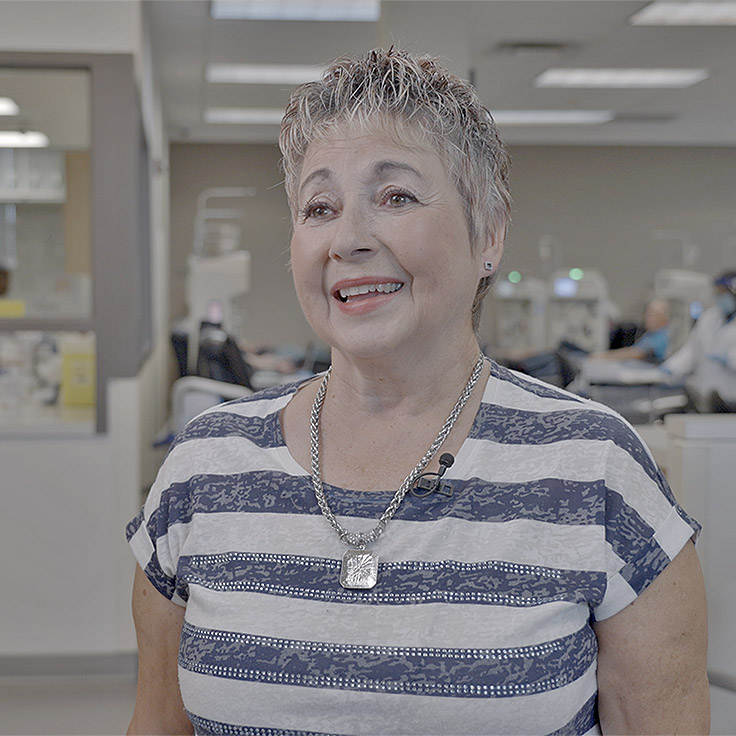
“The staff are fantastic. They are so kind and always caring about your comfort”
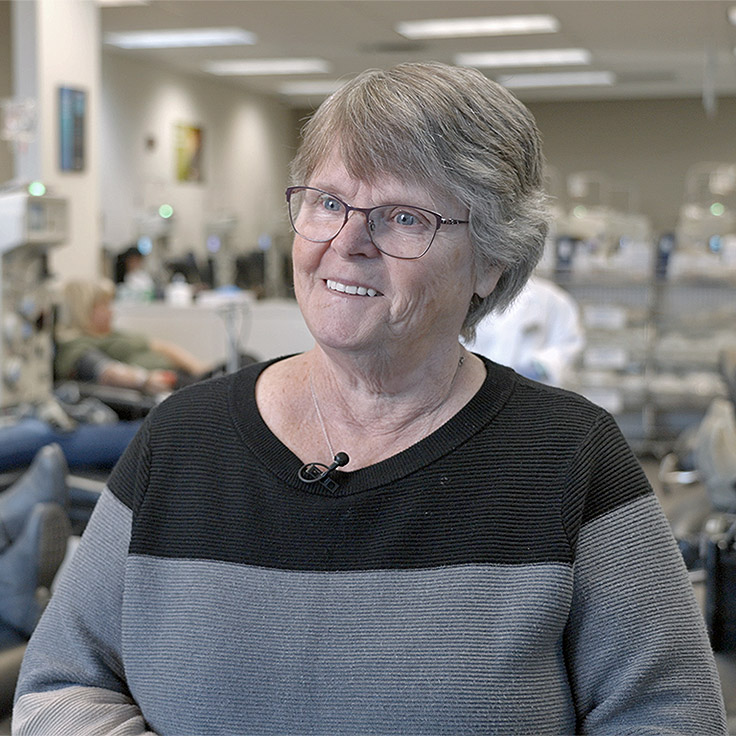
“People ask me why [I donate plasma] and I say ‘Why not? I’m helping somebody.”
Frequently Asked Questions - Become a Plasma Donor
Plasma is the clear, liquid part of your blood that’s collected during a process called plasmapheresis, which separates your plasma and allows red cells to be returned to you. It’s full of important proteins and antibodies that are used to make life-saving treatments for people with immune deficiencies and other serious health conditions.
Donating plasma is a powerful way to help improve lives and support patients across Canada.
Did you know? Immunoglobulin medicines are used in the treatment of a variety of conditions. Three of the most common include:
- Primary immunodeficiency (PIDD) - An estimated 29,000 Canadians live with PIDD.
- Guillain-Barré Syndrome (GBS) – GBS is an acute inflammatory disorder that affects the nerves, causing sudden muscle weakness and in severe cases, temporary paralysis.
- Chronic Inflammatory Demyelinating Polyneuropathy (CIDP) – A rare neurological condition in which the immune system mistakenly attacks the protective covering of nerves. CIDP affects an estimated 450,000 people worldwide.
Plasma is an essential component used in critical therapies worldwide, and ensuring a reliable plasma supply in Canada is more important than ever. Grifols is working to help collect more plasma and manufacture life-changing plasma therapies in Canada. In partnership with Canadian Blood Services, Grifols’-collected plasma is transformed into immunoglobulin therapeutics for Canadian patients. This initiative contributes directly to domestic sufficiency, helping to reduce immunoglobulin imports and ensure a reliable supply of therapies for patients who need them.
If you’re a healthy adult between 17 and 68 years old, weigh between 50 and 180 kg, live within 100 km of a Grifols centre, and meet the eligibility requirements (including bringing ID and completing a health screening), you can donate plasma. Note that our Winnipeg U of M centre requires donors to be over 18 years of age.
Your first visit takes about 2⅓–3 hours and includes registration, screening, and the plasmapheresis process. After that, return visits are quicker—usually just 1½ to 2 hours.
Yes. Thousands of people safely donate plasma every day. Plasma donation is performed in a highly controlled, sterile environment by professionally trained medical team members following strict safety guidelines for each donor's comfort and well-being. Grifols follows Health Canada regulations and uses sterile, single-use materials that our disposed of immediately.
Plasmapheresis is the process that separates plasma from your red blood cells. The plasma is collected, and your red blood cells are returned to you, making the whole experience gentle and efficient.
If you ever feel dizzy or unwell while donating, let the staff know right away – they’re there to help. If you have symptoms after you get home, reach out to the centre or your doctor – or call 9-1-1 in an emergency.
You may donate plasma twice in a 7-day period, with a minimum 48 hours in between visits.
Check your eligibility online and book your appointment through our portal or call your nearest Grifols centre to schedule.
All donations must be screened for HIV, hepatitis B and hepatitis C using nucleic amplified testing (NAT), a state-of-the-art method that tests for the DNA particles of the virus. In addition, each plasma donation is tested for antibodies that the body produces in response to a virus.
Individuals who test positive for HIV, Hepatitis B, or Hepatitis C are immediately referred to a physician or clinic for formal medical diagnostic testing and treatment. They are also permanently deferred and excluded from donating plasma and are added to the National Donor Deferral Registry. These regulations are in place for everyone’s safety.
Absolutely. Grifols plasma centres are fully licensed by Health Canada and operate under strict regulations.
You’ll need to wait six months after getting a new tattoo or piercing before you can donate plasma.
Not right away. You’re temporarily ineligible during pregnancy and for six months after giving birth. After that, you’re welcome to donate again.
Certain health conditions – like atrial fibrillation, a history of heart attack, bleeding disorders, COPD, and multiple sclerosis – may mean you’re temporarily or permanently unable to donate.
Travel outside Canada, the United States, and Europe will be evaluated to determine if you’re eligible to donate.
Many vaccines may require a temporary waiting period before you can donate. It’s always best to check with your donation centre.
There’s no set frequency – you can donate as often as you like within the allowed limits. Whether it’s once a month or twice a week, every donation helps Canadian patients.
Disclaimer:
*Compensation is subject to change without notice.
*The Winnipeg U of M location has a different honorarium model.
Find a Plasma Donation Centre
Easily locate a certified Grifols plasma donation centre near you. Book your appointment online andcheck opening hours.