What is plasma?
Plasma is the liquid component of blood, essential for transporting nutrients, antibodies, water, and essential plasma proteins that are vital for the body’s normal functioning. These plasma proteins play a crucial role in maintaining health, and a deficiency can lead to chronic conditions or life-threatening illnesses, highlighting plasma’s critical role in the immune system and overall physiology.
Making up approximately 55% of total blood volume, plasma is composed of about 92% water, 7% proteins (including albumin and immunoglobulins), and 1% solutes. This unique composition enables plasma to support key biological and immune functions. The functions of plasma proteins include maintaining colloid osmotic pressure, enabling clotting, and defending against infections through immunoglobulins.
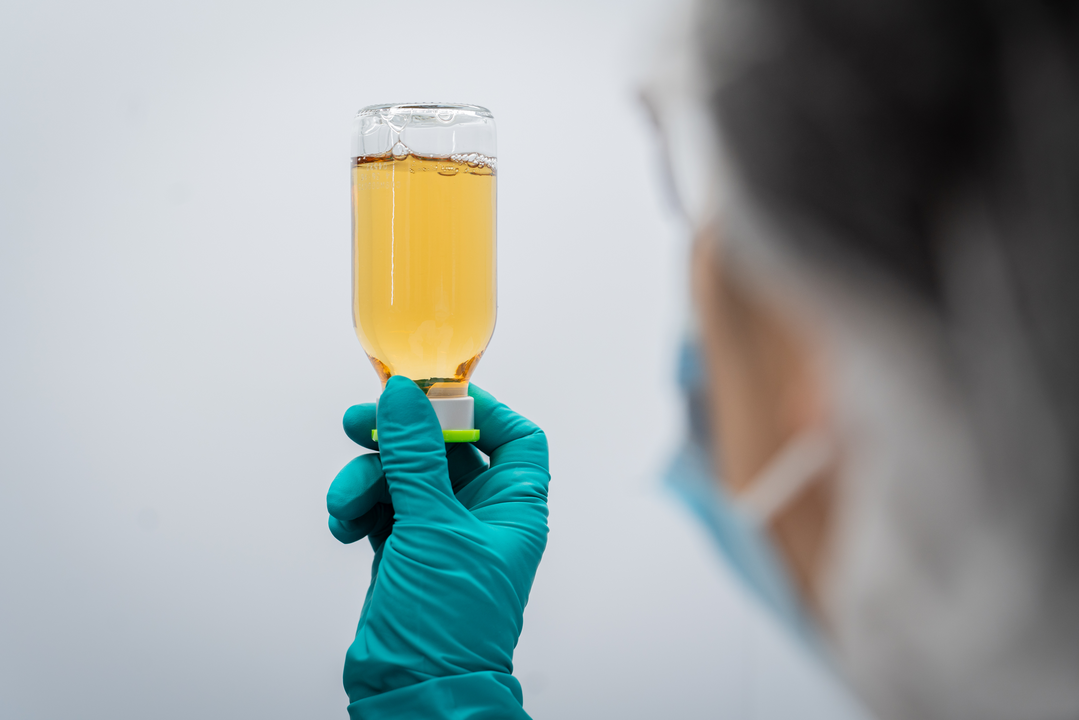
Plasma donation is a vital process in the development of plasma-derived treatments, used in lifesaving and life-enhancing therapies. Plasma—the straw-coloured fluid in blood—is donated through a special process called plasmapheresis. The plasma is separated from other components and stored, while the red blood cells and platelets are returned to the donor.
The body replenishes plasma in just 48 hours. This fast recovery time allows healthy individuals to donate plasma up to twice per seven-day period, with at least one calendar day between donations.
Every donation makes a difference for the thousands of Canadian patients who rely on plasma-derived immunoglobulin therapies.
Find a donation centre near you
Every donation makes a difference for the thousands of Canadian patients who rely on plasma-derived immunoglobulin therapies.
Importance of plasma in the human body
Plasma plays a critical role in maintaining health, acting as the body’s primary transport system. Its unique composition enables several essential functions that are vital to life:
The plasma journey
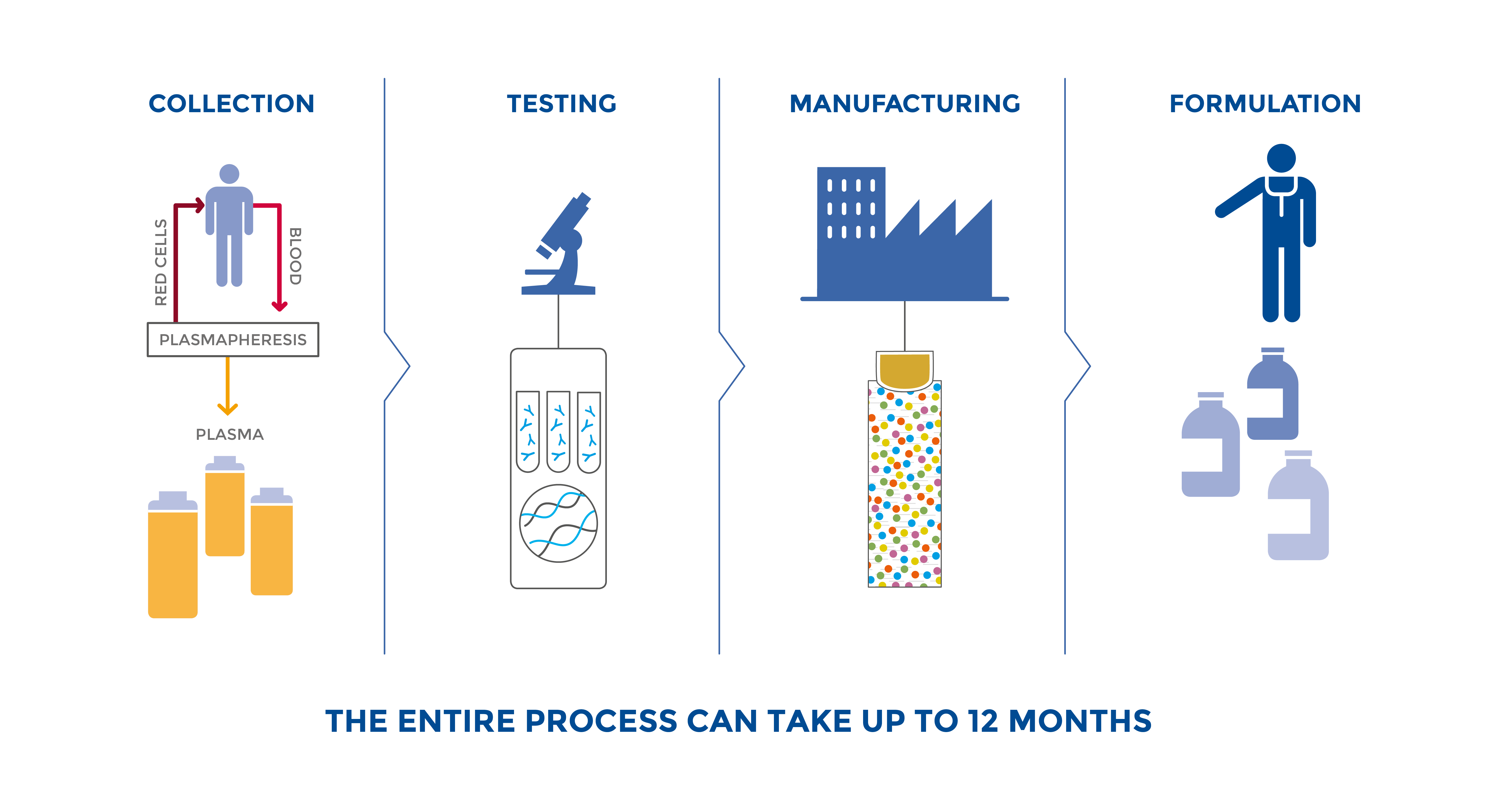
From plasma donation and testing to the development of plasma-derived treatments, each step is part of a highly regulated and complex process designed to ensure the safety, purity, and effectiveness of every therapy. This is crucial to supporting patients who rely on plasma-derived medicines.
The manufacturing of plasma medicines involves several intricate stages, including testing, analysis, fractionation, and purification. These processes isolate and refine vital plasma proteins – such as albumin and immunoglobulins – used to treat a range of chronic and rare conditions, including immune deficiencies.
Due to the precision and stringent standards involved, the full transformation from donated plasma to finished medicine can take up to 12 months. This time-intensive process ensures the highest levels of safety and quality control. Donors play a key role in this journey.

Learn how you can become a plasma donor
Donate plasma — impact Canadian lives. Join Grifols today and make a real difference for patients in your community.
How donating plasma can save Canadian lives
Plasma donation plays a vital role in the creation of plasma-derived medicines, which are used to treat and prevent serious diseases such as primary immune deficiencies, autoimmune disorders, and other rare or chronic conditions. In Canada, the demand for these therapies – particularly those involving immunoglobulins – continues to rise, underscoring the importance of plasma donation for meeting national health needs.
Unlike synthetic drugs, human plasma cannot be manufactured in a lab. It must be collected from healthy adult donors. This makes every donation essential to supporting the Canadian supply of lifesaving immunoglobulin therapies and increasing domestic sufficiency in these vital medicines.
By choosing to donate, individuals directly impact patients’ lives. The immunoglobulins in plasma help strengthen the immune system, improve treatment outcomes, and enhance the quality of life for those living with chronic conditions. These contributions also form part of broader efforts to increase Canada’s domestic-sufficiency in immunoglobulins and ensure that patients in need continue to have access to these vital medicines, thanks to donors here in Canada.
Plasma-derived therapies: Immunoglobulin medicines
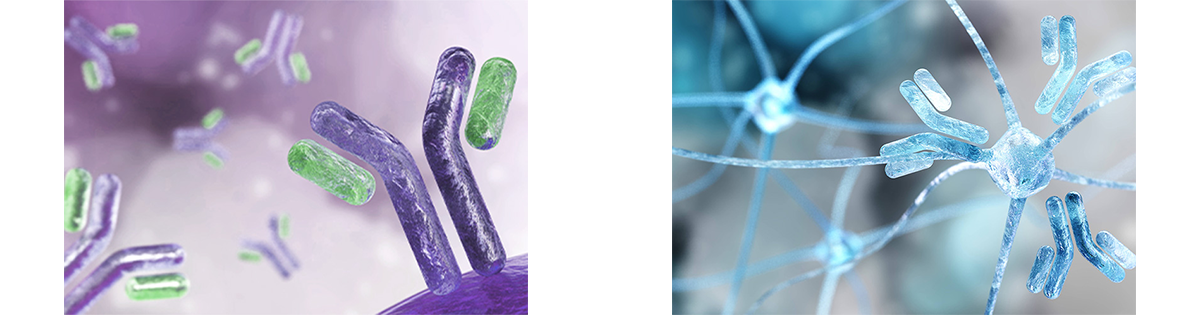
Plasma donation is essential for life-saving immunoglobulin medicines, which are critical in managing conditions such as primary immunodeficiency (PIDD), Guillain-Barré syndrome (GBS), Chronic Inflammatory Demyelinating Polyneuropathy (CIDP), and others.
In Canada, continued plasma donations are necessary to meet the continued and growing need for immunoglobulin products. Canadian Blood Services reports that Canada is approximately 31% self-sufficient in immunoglobulins. That means that without ongoing and increasing donations, nearly 70% of these medicines will need to be imported. Your donation helps ensure more Canadian medicines will be made from Canadian plasma.
Frequently asked questions: What is plasma
Yes, it is! Plasma is the straw-colored liquid part of your blood, making up about 55% of its total volume. It’s mostly water, but it also contains proteins, electrolytes, nutrients, and hormones that help transport vital substances throughout your body.
Plasma is just one part of blood. Blood is made up of red blood cells, white blood cells, platelets, and plasma. When you donate plasma, a special process called plasmapheresis separates out the liquid plasma and returns the other blood cells to you.
People call plasma “liquid gold” because it’s packed with life-sustaining proteins like albumin and immunoglobulins. It also delivers nutrients, hormones, and immune factors. Thanks to all these important roles, plasma is truly invaluable in medicine.
Plasma is mostly water, but it also contains electrolytes (like sodium, potassium, and calcium), plasma proteins (such as albumin and globulins), nutrients (like glucose and amino acids), and hormones. All of these are essential for keeping your body hydrated, helping your blood clot, supporting your immune system, and sending signals between cells.
The complex proteins in plasma can only be found in donated human plasma. There is currently no synthetic substitute.
Plasma is a key player in your immune system. It carries antibodies and complement proteins that help your body recognize and fight off harmful germs before they can cause serious infections.
During plasma donation, your blood is drawn and spun in a centrifuge to separate out the plasma. Your red blood cells and platelets are then returned to you. This enables regular plasma donation without loss of red cells.
Why plasma is important
Discover Plasma’s Critical Role in Saving Canadian Lives.